
A Simple Monthly Financial Check-In for Service Business Owners
Do you run a service-based business and want a simpler way to understand how it is performing?
You may receive financial reports every month without feeling completely sure what to do with them. Perhaps you open your Profit and Loss Statement, scan the numbers, and close it again. The information is technically available, but it does not always feel connected to the decisions you are making.
That experience is more common than many business owners realize.
You do not need to memorize every number or become an accountant to benefit from your financial reports. A useful monthly review can begin with a few important numbers and a handful of thoughtful questions.
The goal is not to evaluate every transaction. It is to create a consistent rhythm that helps you understand what changed, what is working, and what the business may be ready to support next.
Begin With Three Numbers
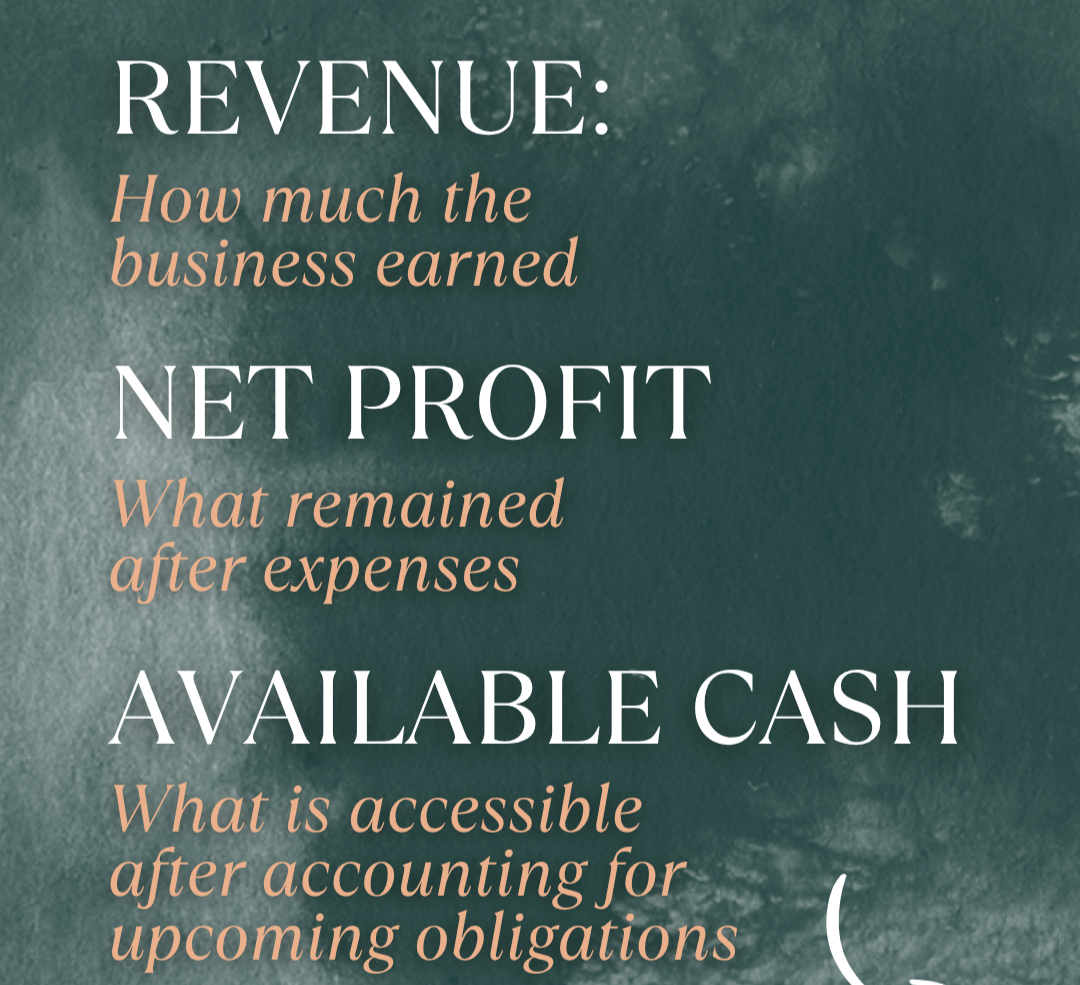
For many service business owners, three numbers provide a helpful starting point: revenue, net profit, and available cash.
Revenue shows how much the business earned during the month. It can help you see whether sales are increasing, remaining steady, or reflecting a seasonal pattern.
Net profit shows what remained after the business paid its expenses. This number provides more context than revenue alone because it reflects what it actually costs to operate and deliver your services.
Available cash helps you understand what money is accessible after considering upcoming obligations. The balance in your bank account may include funds that need to be reserved for taxes, payroll, contractor payments, software renewals, or other expenses that have not been paid yet.
Each number answers a different question. Together, they offer a much more useful picture of financial progress.
A month with strong revenue may also include higher delivery costs. A profitable month may still have lower available cash because the business paid taxes, made a thoughtful investment, or is waiting for clients to pay outstanding invoices.
None of those situations automatically indicate that something is wrong. They simply require context.
Compare the Month With What Came Before
Financial reports become more useful when you stop viewing each month in isolation.
One slower month may reflect a normal seasonal change. A higher expense may be related to an annual payment rather than an ongoing increase. A strong month may come from one large project that should not be used as the basis for future spending decisions.
Looking at the previous month, and sometimes the same period from the prior year, can help you understand whether a result is part of a pattern or a temporary change.
You might ask:
How did revenue compare with last month?
What changed in expenses?
How much profit did the business generate?
Are any large payments or obligations coming up?
Is there anything I would like my bookkeeper to explain?
These questions create a practical starting point for your monthly review. You may notice progress worth celebrating, identify one small adjustment, or simply confirm that the business is continuing in the direction you expected.
Each of those outcomes is valuable.
Let Your Reports Support Real Decisions
Your Profit and Loss Statement helps explain what the business earned and spent during a particular period. Your Balance Sheet shows what the business owns, what it owes, and the equity it has built.
These reports should not feel like documents that belong only to your accountant or bookkeeper. They are business tools, and the information inside them should help you think more clearly about what comes next.
Perhaps you are considering increasing your owner pay, hiring a contractor, investing in a new system, or launching another service. Your numbers will not make those decisions for you, but they can help you explore whether the business is ready to support them.
You can consider how the decision may affect cash flow, what would need to remain true for the investment to feel sustainable, and whether the business has enough room to move forward without creating unnecessary pressure.
That is where bookkeeping becomes more than an administrative task. It gives your judgment and vision a stronger financial foundation.

Approach the Numbers With Curiosity
Business owners sometimes avoid reviewing their financial reports because they are worried about what they may find.
A more supportive approach is to view the information with curiosity.
Your reports are not there to judge the business or assign a label to the month. They are there to help you understand what happened.
A change in profit may reveal an increase in contractor support. A quieter revenue month may fit within a seasonal pattern. Higher expenses may reflect an intentional investment that is expected to benefit the business later.
Instead of immediately deciding that a number is good or bad, ask what contributed to it and what the information may help you understand.
This makes financial reviews feel less like a test and more like a useful conversation about the business.
Build a Consistent Monthly Rhythm
Financial confidence often develops through small moments of understanding rather than one major breakthrough.
You understand why profit changed. You know what to reserve for taxes. You recognize that an upcoming investment fits within the budget. You see that the business is making steady progress even if every month does not look exactly the same.
A monthly financial check-in gives those moments a place to happen.
It does not need to take hours. What matters most is that the information is current, accurate, and reviewed consistently enough to support the decisions in front of you.
Over time, each month adds context. That context makes it easier to recognize patterns, prepare for obligations, and explore new opportunities with a clearer view of what the business can comfortably support.
Your financial reports should feel useful in your hands. You deserve clean, accurate books and a financial team that helps you understand what the numbers mean.
Ready for proactive bookkeeping support and clearer monthly financial information? Book a call today and learn how Better Bookkeeping can help you understand the full financial picture.
PS: Want more practical financial insights for service business owners? Sign up for our weekly email series.
